Quote
Chase the fire in your soul, not the comfort of the crowd.
Wednesday, November 14, 2018
Sunday, April 26, 2015
Science behind the CRY
Do you know that there are 3 different types of tears? Our tears have different compositions. They’re based on whether something’s irritating your eye, emotional or simply to keep our eyes moisturized.
2. Bless you!
Do you know that it impossible to sneeze with our eyes open? Clamping our eyes shut is an involuntary reflex. It’s simply an uncontrolled body response.
3. Two shades
Do you know some people are born with two differently coloured eyes? This condition is called heterochromia.
4. Super vision
Do you know that about 2% women have a rare genetic mutation that enables them to see 100 million colors? A condition called tetrachromacy.
5. High-resolution eyes
Do you know that if the human eye was a digital camera, it would have 576 megapixels? Talk about high quality images.
6. Twitchy eyes
Do you feel your eyes constantly making tiny jerking movements? This is called blepharospasm, which is an involuntary movement of the eyelid every few seconds.
For the superstitious lot, a mere twitch in your eye can bring with it a throng of superstitious thoughts. For instance, ladies, if you are from China or India, a twitching left eye signifies good luck.
Interesting facts about Fireworks
- The earliest documentation of fireworks dates back to 7th century China. They were invented more than 2000 years ago in China.
- China is the largest manufacturer and exporter of fireworks in the world. 90% of all fireworks originate from here.
- In 1240 the Arabs acquired knowledge of gunpowder. A Syrian named Hasan al-Rammah wrote of fireworks using terms that suggested he derived his knowledge from Chinese sources.
- The first recorded fireworks in England were at the wedding of King Henry VII in 1486.
- Dreaming about fireworks means that you like to be the centre of attention and are showing off to others. It also symbolizes enthusiasm and exhilaration.
- The fireworks were used to accompany many festivities, scare off evil spirits and promote prosperity.
- The largest chocolate firework was measuring 3m high and 1.5m in diameter and containing 60kg of Swiss Cailler chocolates. The firework was released in Zurich on New Year's Eve 2002.
- Fireworks are not fun for animals. Always keep dogs and cats inside the house when fireworks are being let off. Stay calm and make sure they have somewhere to hide.
- The biggest occasion for fireworks in the UK is Guy Fawkes Night (5th November). It is a celebration of the failing of the Gunpowder Plot on 5 November 1605, an attempt to kill King James I at the Houses of Parliament.
- The largest firework rocket is 13kg and was produced and launched in Portugal in 2010.
- Queen Elizabeth was so fascinated with fireworks that she created an honorary title, "Fire Master of England" for the individual who created the best fireworks.
- The word for firework in Japanese, 'hanabi', which actually means "fire-flower".
- Amédée-François Frézier published a "Treatise on Fireworks" in 1706, covering the recreational and ceremonial uses of fireworks. The book became a standard text for fireworks makers.
- A rocket can reach speeds of 150mph, however the shell can reach as high as 200 metres.
- A sparkler burns at a temperature over 15 times the boiling point of water. Three sparklers burning together generate the same heat as a blowtorch. When your sparkler goes out, put it in a bucket of water.
- France uses fireworks to celebrate Bastille Day and celebrate storming the prison of Bastille.
- The record for the largest firework display consisted of 66,326 fireworks and was achieved in Portugal in 2006.
- Static electricity in synthetic clothing can set off firecrackers. People making firecrackers wear only cotton clothing while making firecrackers.
- Italy was the first country to truly master and experiment with fireworks in Europe. They were the first to use shells for firecrackers to be loaded into canons and shot into the air.
- Half of all firework injuries are to children under the age of 16.
- The biggest annual fireworks display event in Europe is the International Festival concert held in Edinburgh, Scotland, in which a million fireworks are set off in less than an hour.
- At first fireworks were only orange and white. In the Middle Ages new colours were achieved by adding different salts. The hardest colour to create is blue.
- Sparklers can be used to make funny pictures. All you need is a totally dark setting, a sparkler to draw with and a camera recording a long exposure.
- A record breaking 56,000 firework rockets were launched simultaneously in a spectacular opening to the Plymouth, UK Fireworks Championships by Scientist Roy Lowry.
- A string of firecrackers that went on and on lasting 22 hours marked the New Years day celebrations in Hong Kong in the year 1996.
Thursday, April 24, 2014
Foods That Look Like Body Parts
Here are 10 foods that mirror the body parts they provide nutrients for—for example, brain-boosting walnuts actually look like a brain. Coincidence? Maybe. Though these healthy foods are beneficial to the whole body, the list below is a fun reminder of what to eat to target specific areas. Remember, these are best & more powerful when eaten raw.
A Tomato has four chambers and is red in color, so also the heart is red and has four chambers. Research has confirmed that tomatoes are loaded with lycopine and it is indeed pure heart and blood food.
Grapes resembles the alveoli of the lungs. The lungs are made of branches of ever-smaller airways that finish up with tiny branches of tissue called alveoli. These structures allow oxygen to pass from the lungs to the blood stream. A diet high in fresh grapes has shown to reduce the risk of lung cancer and emphysema. Grape seeds also contain a chemical called proanthocyanidin, which is thought to reduce the severity of asthma triggered by allergy. One reason that premature babies struggle to survive is that, these alveoli do not begin to form until 23 to 24 week of pregnancy.
A Walnut looks like a little brain, a left and right hemisphere, upper cerebrums and lower cerebellums. Even the wrinkles or folds on the nut are similar to those of the neo-cortex. Scientists claim that walnuts help in developing over three dozen neuron-transmitters within the brain enhancing the signaling and encouraging new messaging link between the brain cells. Walnuts help warding off dementia. They also extract and break down the protein based plaques associated with Alzheimer’s diseases, according to a study by Dr. James Joseph of Tuft University in Boston.
Celery, Rhubarb, Bok-choy and more look just like bones structure. These foods specifically target bone strength. Bones are made up of 23% sodium and these foods have sodium in them. If you don’t have enough sodium in your diet the body pulls it from the bones, making them weak. These foods replenish the skeletal needs of the body.
Avocados and Pears are good for the health and functioning of the womb and cervix of the female and look just like these organs. Modern research shows that when a woman eats one avocado a week, it balances the birth hormones, sheds unwanted birth weight and can even prevent cervical cancer. It even takes exactly nine months to grow an avocado from blossom to ripened fruit, just like a human baby! There are said to be over 14,000 photolytic chemical constituents of nutrition in each one of these foods.
Figs are full of seeds and hang in twos when they grow. Studies have shown that Figs increase the mobility of male sperm and increase the sperm count as well as overcoming male sterility.
Olives assist the health and function of the ovaries. An Italian study found that women whose diets included a lot of olive oil had a 30% lower risk of ovarian cancer. The reasons are unclear, but the healthy fats in the oil may help suppress genes predisposed to causing cancer.
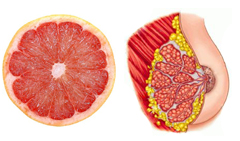
Grapefruits, Oranges, and other citrus fruits look just like the mammary glands of the female and actually assist the health of the breasts and the movement of lymph in and out of the breasts. The similarity between round citrus fruits––like lemons and grapefruit––and breasts may be more than coincidental. “Grapefruit contains substances called limonoids, which have been shown to inhibit the development of cancer in lab animals and in human breast cells,” says Dr. Moulavi.
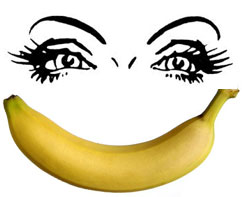
Eating a Banana will cheer you up and put a smile on your face. This popular fruit contains a protein called tryptophan, when digested it gets converted into a neurotransmitter called serotonin, which is a mood regulating chemical in the brain. Banana can be termed as an antidepressant drug, since it adjusts the level of serotonin production in the brain.
Onions look like the body’s cells. Research shows onions clear waste materials from all of the body cells. They even produce tears which wash the epithelial layers of the eyes.
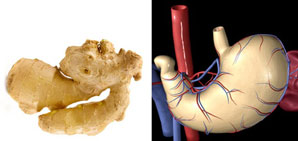
Ginger looks like the stomach and it also aids in digestion. Indians and Chinese have been using it for over 5000 years to calm stomach and cure nausea, and motion sickness. It also slows down the growth rate of bowel tumors.
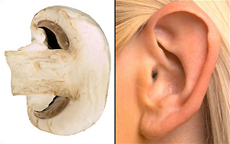
A Mushrooms when sliced in half resembles the shape of the human ear. Mushrooms improve hearing abilities, since they contain Vitamin D, which is healthy for bones, especially the 3 tiny bones in the ear that transmit sound to the brain.
Broccoli – the close-up of tiny green tips on a broccoli head looks like 100 of cancer cells. A team of researchers at US National Cancer Institute found if a weekly serving of broccoli was enough to reduce the risk of prostate cancer by 45%.
Honorable Mention
Red wine, which is rich in antioxidants and polyphenols, including powerful resveratrol, looks like blood. “When you drink it, you’re really loading up on the healthy stuff that protects against destructive things in the blood, like LDL cholesterol, which can cause heart disease,” says Somer. “There’s also a blood-thinning compound in red wine, so it reduces blood clots, which are associated with stroke and heart disease.”
Monday, April 21, 2014
The Science of Sleep
Napoleon, Florence Nightingale and Margaret Thatcher got by on four hours a night.
Thomas Edison claimed it was waste of time.
We have to sleep because it is essential to maintaining normal levels of cognitive skills such as speech, memory, innovative and flexible thinking. In other words, sleep plays a significant role in brain development.
With continued lack of sufficient sleep, the part of the brain that controls language, memory, planning and sense of time is severely affected, practically shutting down. In fact, 17 hours of sustained wakefulness leads to a decrease in performance equivalent to a blood alcohol level of 0.05% (two glasses of wine). This is the legal drink driving limit in the UK.
Research also shows that sleep-deprived individuals often have difficulty in responding to rapidly changing situations and making rational judgements. In real life situations, the consequences are grave and lack of sleep is said to have been be a contributory factor to a number of international disasters such as Exxon Valdez, Chernobyl, Three Mile Island and the Challenger shuttle explosion.
Sleep deprivation not only has a major impact on cognitive functioning but also on emotional and physical health. Disorders such as sleep apnoea which result in excessive daytime sleepiness have been linked to stress and high blood pressure. Research has also suggested that sleep loss may increase the risk of obesity because chemicals and hormones that play a key role in controlling appetite and weight gain are released during sleep.
During the first stage of sleep, we're half awake and half asleep. Our muscle activity slows down and slight twitching may occur. This is a period of light sleep, meaning we can be awakened easily at this stage.
Stage two: True Sleep
Within ten minutes of light sleep, we enter stage two, which lasts around 20 minutes. The breathing pattern and heart rate start to slow down. This period accounts for the largest part of human sleep.
Stages three and four: Deep Sleep
During stage three, the brain begins to produce delta waves, a type of wave that is large (high amplitude) and slow (low frequency). Breathing and heart rate are at their lowest levels.
Stage four is characterised by rhythmic breathing and limited muscle activity. If we are awakened during deep sleep we do not adjust immediately and often feel groggy and disoriented for several minutes after waking up. Some children experience bed-wetting, night terrors, or sleepwalking during this stage.
Although we are not conscious, the brain is very active - often more so than when we are awake. This is the period when most dreams occur. Our eyes dart around (hence the name), our breathing rate and blood pressure rise. However, our bodies are effectively paralysed, said to be nature's way of preventing us from acting out our dreams.
After REM sleep, the whole cycle begins again.
Jim Horne from Loughborough University's Sleep Research Centre has a simple answer though: "The amount of sleep we require is what we need not to be sleepy in the daytime."
Even animals require varied amounts of sleep:
| Species | Average total sleep time per day |
| Python | 18 hrs |
| Tiger | 15.8 hrs |
| Cat | 12.1 hrs |
| Chimpanzee | 9.7 hrs |
| Sheep | 3.8 hrs |
| African elephant | 3.3 hrs |
| Giraffe | 1.9 hr |
Monday, October 21, 2013
Roadies to Mookanamane falls and Bisle view point
We all got geared up for a 2 days and 1 night trip in Bikes.
It was October 12th, 2013 — a Saturday, early morning at 4 o’clock. We, a group of 18 members with 10 bikes, decided to go on a long ride. The trip was about 550 km in total. Four bikes started from Electronic City, three from Hoskote, one from Malleswaram, and the rest from Vijayanagar.
The riders from Electronic City (Vinith, Ravi, Deepu, Punith, Jithu, Raghu, and Abhi) met us (me and Deepu Raja) in Malleswaram. From there, we headed towards Nelamangala to catch up with the rest of the group. After about 40 minutes of riding, we all merged with the others (Dilip, Sumanth, Adith, Sharath, Karthik, Nishanth, Ravi, Rajesh, and Ashwin) from Hoskote and Vijayanagar.
At last, the whole group was together. Many of us were meeting for the first time, so after the usual introductions, we had a quick sip of tea while chatting about a few things, including the rules to be followed whenever “the Jackie” (Punith) spoke. After that, we started our journey. The weather was chilly, but all the bikes were on track, roaring into the morning silence.
Vroom! Vrooommmmmmmmmmmmmm….After about an hour, Vinith’s bike suddenly stopped on the highway. We pulled over to the roadside and inspected a few things, but we couldn’t figure out what exactly had gone wrong. Surprisingly, the bike started again on its own without us fixing anything.
We continued our journey, and our next planned stop was at a hotel in Channarayapatna suggested by Sharath. Unfortunately, the hotel was closed, so we headed to a Kamat hotel on NH48 instead. By then, we were starving and pounced on breakfast like a pack of street dogs. The service at the hotel was horrible, and some of the guys decided to switch to the self-service section, where they managed to have breakfast peacefully.
Meanwhile, the rest of us were waiting for Mangalore buns. We spotted two buns—but they were placed on the next table, just out of reach. We didn’t even try to grab them, though the temptation was real. 😉
After having breakfast Vinith left early to Hassan to get his bike repaired and we all went through Hassan bypass and were waiting in Sakaleshpur road for him.
After about one and a half hours, he finally came back. Just as we were about to get up and continue the ride, a mini local bus suddenly cut in front of Vinith, forcing him onto the sandy track. We all started shouting at him, partly out of shock and partly in fun.
Our next stop was at a place called Balupet, where we enquired about the route to Mukkanamane Falls. The locals told us that taking a right would lead us to Abbey Falls (Madikeri), but since most of us had already visited it, we weren’t interested. So, we chose the Sakaleshpur route instead and carried on with our ride.
Our next stop was near the Manjarabad Fort deviation road in the Sakaleshpur ghat section. We took the road leading to Manjarabad Fort but didn’t actually visit the fort. From there, the road condition turned horrible.
We stopped at Hethur for lunch, but only one vegetarian hotel and one non-vegetarian hotel were open. We all decided to go green and chose the vegetarian hotel. We ordered 18 meals for parcel, planning to enjoy them later by the riverbank at Mookanamane Falls. Unfortunately, they didn’t have enough meals ready for such a big group, so they started cooking after taking our order. (Once you cross Sakaleshpur, you’ll notice that in most places, if you’re traveling in a group of 10+ people, you have to wait while they cook fresh food.)
So, we ended up waiting for around 2 hours. By then, the time was already close to 4 p.m. Finally, with the food packed, we headed towards the falls, bumping along the terribly bad road.
Since it was the rainy season, the road was extremely slippery and the bikes were skidding heavily. Everything went fine up to a certain point, but then the road became even steeper and riskier to ride. I decided to take the chance anyway — I asked my pillion, Raghu, to get down and continued alone. Seeing me, two more riders, Ravi and Vinith, also gave it a try.
Luckily, the three of us managed to ride through without any trouble and parked our bikes almost near the falls, while the rest decided to stop and park at the safer point..
When we finally reached, the breathtaking beauty of nature made us instantly forget our hunger. Without a second thought, we jumped straight into the river and played around for a while. Eventually, hunger struck again, and we sat down by the riverbank to enjoy our long-awaited meal. With happy hearts and filled stomachs, we wrapped up and started our journey from there.
Now came the real challenge — riding the bikes back up the hill. After some discussion, we decided to give a gap of ten minutes between each bike so that if anything went wrong, only one rider would be affected and not the one coming behind.
Vinith went first on his Bullet. He failed on the first attempt, rolled back, and then, with the help of a few of our guys, managed to reach the point where the other bikes were parked. Ravi followed next and made it through.
Then it was my turn with the Pulsar 220cc. Things were going fine until the back wheel got stuck in the mud. Somehow, I managed to keep the bike balanced while the others helped me pull the wheel out. Finally, I made it up and parked alongside the rest.
We all gathered on the roadside to decide our next destination. By then, it was already 6 p.m., it was getting dark, and rain had just begun to fall lightly. On our way earlier, we had spotted a lake surrounded by beautiful grasslands, so we decided to pitch our tents there and headed straight to that spot.
There were a few locals near the lake, so we asked them if it was safe to camp there. They warned us that elephants often came to the lake to drink water. A little further ahead, I spotted a nice flat area, but unfortunately, it turned out to be a graveyard. So, we finally chose the grassland opposite the graveyard and decided to pitch our tents there.
By then it was around 6:30 p.m., and the rain was slowly getting heavier. In a hurry, we set up all our tents — three T3 tents and two T2 tents — and got everything in place just in time.
One of the locals, however, turned out to be the real hero of the night — Ananda Gowda. Without him, things would have gone completely haywire. He showed us a superb spot to set up our tents and even took us to a nearby house where he arranged for food. We ordered meals around 7 p.m., and he told us they would be ready by 9 p.m. To our surprise, the food was very cheap in this region.
But that wasn’t all — we also needed a few other supplies. For that too, Gowdru accompanied us on his bike, riding nearly 20 km to help us get everything we needed.
By the time it was 9 o’clock, Jithu and Dilip went to collect the food. Meanwhile, Gowdru arranged firewood for us and even gave us kerosene to light a campfire in front of the tents. He himself set it up and lit the fire.
Just as the food arrived, the rain got heavier. Everyone rushed into the tents. Those who had “the stuffs” (about 10 of us) squeezed into a single T3 tent. In that cramped space, we enjoyed ourselves, laughing nonstop at Jackie’s ultimate killer dialogues.
Once the rain stopped, we lit the campfire again, sat around it, and finally had our food together under the night sky.
By 11:30 p.m., we finally went into our tents as well. I couldn’t fall asleep immediately, so I kept shouting and joking around for a while before finally dozing off.
Sunday Morning, 7 a.m.
“Histories repeat again and again,” came to my mind as I grabbed a water bottle and stepped out for my morning relief. It was still raining continuously, but we didn’t care and carried on with our activities, getting thoroughly wet in the process.
The first victim of leeches was Karthik, and slowly almost everyone ended up with bites. After packing the tents, we thanked Anand Gowda for his help and said our goodbyes before heading toward the Bisle viewpoint. As usual, the road was the same rough, terrible stretch we had ridden before.
When we reached the Bisle Ghat viewpoint, it was completely covered by clouds. We were literally standing inside the clouds, with no chance of seeing the mountain valleys or waterfalls. After about 20 minutes, the clouds began to clear, giving us glimpses of the valleys below. We quickly took some photos and considered heading to Kukke Subramanya, which was only 25 km away. However, the thought of dealing with the irritating road and the long ride back to Bangalore made us skip it.
We started our journey back to Bangalore. Some of us decided to take an alternative route through Athihalli instead of retracing the same road. This road turned out to be much better and also saved us around 50 km, connecting us to Shanivarasanthe.
Our next pit stop was Holenarasipura. A few of the guys mistakenly took Mysore Road instead of joining the Bangalore bypass, which made us wait for almost an hour. It was a bit confusing for me too, trying to figure out which route would lead us back to the highway, but I kept asking the locals for directions. Eventually, the guys on Mysore Road realized their mistake, took a U-turn, and rejoined us.
We all continued riding together, with our next stop at Channarayapatna, where we had tea and some snacks to recharge before the final stretch to Bangalore.
Finally, our trip was coming to an end. Before parting ways, we decided to take a group photo. We rode to a nearby lay-by, parked all 10 bikes, and sat on the road to capture some memorable snaps.
After that, everyone dispersed and headed back to their respective homes, marking the end of an unforgettable adventure.


